
Does The Blood of Dawnwalker have a real-time countdown?
No. Only plot-affecting actions such as quests and some skill spends advance the 30-day rescue clock.

The Blood of Dawnwalker 30 days: no real-time countdown, eight segments per day/night, hourglass costs, skill spends, Sanzhana stretch. Verified Sep 2026.
30-day clock and segments.
~10 min read
Coen has 30 days and 30 nights to save his family before Brencis sacrifices them at his investiture. This The Blood of Dawnwalker time system page explains how that limit works in play: eight segments per day and per night, hourglass previews on quests, no real-time ticking, and the difference between the rescue clock and a Roughly 50–70 hours (reported) completion estimate. Verified September 3, 2026 · Steam.
| Clock fact | Detail |
|---|---|
| Story limit | 30 days + 30 nights (rescue window) |
| Segment structure | 8 segments per day; 8 per night |
| Advance trigger | Plot-affecting actions — primarily quests |
| Exploration | Does not tick time (official sandbox framing) |
| UI cue | Hourglass shows cost before confirm |
| Real playtime | Roughly 50–70 hours (reported) |
| Stretch mechanics | Sanzhana-related quests (details partially TBA) |
Matched by build plan, shared topics, and guide progression — not random related links.
No. The 30 days & 30 nights limit is an in-fiction narrative timer, not a real-world countdown. Leaving the game paused, spending forty real minutes in a forest, or organizing inventory at a shrine does not drain the rescue window. Time moves forward only when you take actions the game treats as plot-affecting — the same design Bandai Namco and Rebel Wolves describe as a narrative sandbox where your choices schedule the story rather than a clock scheduling you.
That distinction matters for anxiety and for routing. Players coming from survival games or live-service daily resets often assume Vale Sangora punishes slow play. It punishes committed play — quests accepted, major progression spends — not contemplation. If you are only scouting, looting optional chests, or riding between landmarks without starting a timed job, the day/night counter stays put.

Brencis’s investiture is a hard story promise, and quest icons show segment costs upfront. Tension is informational — you always know when you are spending finite days — not a hidden fail state ticking in the background. Pair that mindset with beginner guide priorities so you do not confuse tutorial pacing with forever rules.
Public mechanics summaries and official sandbox descriptions align on a simple rule: intervention advances time; observation does not. Accepting or completing quests is the primary segment sink. Leveling up and unlocking skills at wayside shrines can also consume segments when the UI flags a time cost. Open-world exploration alone — traveling, gathering ambient loot, discovering vistas — does not advance the 30-day clock.
| Action type | Typical clock impact | Verify how |
|---|---|---|
| Accept / complete main or side quest | Yes — hourglass shown | Quest confirm dialog |
| Optional side content (some) | Sometimes zero | Journal icon / community rows on quests |
| Free roam travel and loot | No | Segment total unchanged after long roam |
| Dialogue without quest commit | No | No hourglass on exit |
| Skill point spend at shrine | Often yes | Shrine UI preview |
| Fast travel between shrines | Unclear — confirm in-game | Note before/after segment count |
| Crafting at hub | TBA — verify per recipe | Patch notes / player reports |
Because the game is non-linear, you decide when time moves by which quests you touch. Two players on the same in-fiction day can have different remaining segments based on what they accepted. That is why this wiki tracks hourglass costs per quest instead of publishing one canonical calendar.
Community materials mention optional side quests that do not advance time. Treat them as bonuses until each row is verified — they are perfect for learning combat or gathering manuals without burning rescue days. We list confirmed zeros on quests as they are tested.
Each day from dawn through sunset divides into eight time segments. Each night does the same. Coen’s human form dominates day segments; vampire form dominates night segments. Quests and activities consume one or more segments of the current phase when they advance time — not necessarily a full day-night cycle unless the hourglass says so.
| Concept | Player-facing meaning |
|---|---|
| Day pool | 8 segments while the sun is up — human routes, hexes, dialogue |
| Night pool | 8 segments while vampire — claws, stealth, vertical paths |
| Multi-segment quest | Eats 2+ icons from current phase per hourglass |
| Form swap | Tied to day/night cycle — plan jobs before dusk |
| Total rescue window | 30 days AND 30 nights — both phases matter |
The same quest marker may play differently in daylight versus darkness — different enemies, paths, or NPC availability. Segment cost is only half the planning problem; the other half is which form executes the job efficiently. Cross-read day and night before you spend three night segments on a dialogue-heavy beat.
Think in eight-slot workdays, not “one quest equals one day.” A two-segment errand leaves six day slots for other commits if nothing else advances time. Ending a phase with unused segments does not bank into the next week — the story moves to the next day/night when you trigger advances that flip the cycle. Track both day index (how many suns have risen) and segments left today; players who only watch the day counter often forget they still have cheap night work ahead.
The hourglass is the UI contract between you and the sandbox: before you confirm a quest or major progression action, it shows how many segments that choice will consume. Always open it when the journal offers multiple jobs — main rescue beats, Court lieutenant work, and regional side content compete for the same pools.
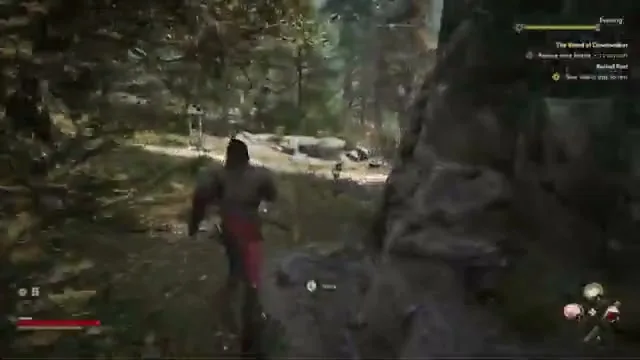
Multi-segment main quests toward Ambrus, Bakir, or Xanthe should start from a fed, stocked, stashed baseline. Night routes need Blood Hunger managed; day routes need food and tonic buffers because passive healing is limited in human form.
The journal’s Brencis-centered quest web shows how side beats connect to lieutenant progress. Time spent on one officer may lock or delay another branch — hourglass cost is only the immediate price; opportunity cost is the strategic one. Spoiler-light ordering lives on walkthrough.
Yes — sometimes. Gaining experience from combat, objectives, and discoveries fills a shared bar, but spending skill points at wayside shrines can advance time when the game marks the node with a segment price. That makes skill planning part of the same economy as quests, not a free menu minigame.
| Progression action | XP / points | Segment cost |
|---|---|---|
| Defeating enemies and bosses | XP yes | Fight itself usually free unless quest-tied |
| Unlocking perk after manual read | Points at shrine | Often costs segments — preview first |
| Reading manual in inventory | Unlocks node only | Typically free |
| Corruption for Vampirism | Tree access | Blood choices may have story cost separate from segments |
Batch shrine visits: stash loot, read new manuals, then spend points while watching the hourglass. Dumping five nodes in a row can accidentally eat an entire day phase — fine if planned, painful if you thought menus were outside time. Details per tree sit on skills.
Brencis’s investiture is the story’s public deadline: Coen’s family is slated for sacrifice at the end of that window. When segments reach the end of day 30 / night 30, expect narrative consequences tied to rescue outcomes — not necessarily an instant “game over” screen that deletes your save.
Official framing allows continuing or resolving some content after the rescue window depending on choices — exact branches are still being mapped on this wiki without inventing endings. Treat deadline day as a major story gate, then check walkthrough for outcome language once you want spoilers.
Decisions about revenge, alliances, and Court anger ripple into different outcomes. Time management is how you reach the endings you want, not a separate mini-game. A second run can prioritize different segment spends once hourglass rows are known.
Public quest summaries reference Sanzhana — pixie-linked content with multiple beats that can stretch or extend time compared with normal hourglass quests. Community materials cite roughly five Sanzhana locations tied to that mechanic; exact segment refunds or extensions are not fully verified here and will be patched onto quests as players confirm numbers.
| Topic | Verified level | Wiki handling |
|---|---|---|
| Sanzhana exists as quest chain | Yes — named in materials | Row stubs on quests page |
| Stretch-time mechanic present | Yes — high-level | No fake +X day numbers |
| Exact locations count | ~5 cited — confirm in-game | Map pins TBA |
| Interaction with 30-day cap | Extends flexibility, not infinite time | Treat as relief valve, not exploit |
If you discover a Sanzhana beat that refunds or extends segments, note it in your personal route before you assume a second playthrough is mandatory. Do not skip main rescue prep solely to hunt pixies — stretch mechanics reward explorers who already understand baseline hourglass math from this page.
This guide avoids inventing +1 day rewards or hidden caps. When verified, each Sanzhana quest will list hourglass before/after screenshots in the database; until then, treat stretch time as “confirmed concept, pending data.”
The 30-day rescue clock lives inside fiction. Real-world playtime — community and press estimates around Roughly 50–70 hours (reported) for a thorough run — measures how long you sit at the controller across combat, exploration, dialogue, and failed attempts. You can spend twenty real hours in week-one Laslea while Coen is still on day 4 because wandering does not advance segments.
| Measure | What it tracks | Example |
|---|---|---|
| Story days/nights | Coen’s rescue budget | 30/30 maximum phases |
| Segments per phase | Work slots inside each day/night | 8 + 8 structure |
| Real playtime | Clock on your wall | ~50–70h reported for completionist pace |
| Speedrun vs roleplay | Different real hours, same segment rules | Explorer may lag story day count |
Store pages and reviews quote hours to complete for buyers asking “how big is the game?” Story quests quote days remaining for players asking “can I still save my family if I do every side beat?” They answer different questions — conflating them causes false panic.
If you play two real hours nightly, you might advance only a handful of story days when exploring heavily — that is normal. Switch to main-path quests when you want the fiction to move; switch to free roam when you want power without spending segments. Beginner guide covers when to stop exploring and push Brencis’s web.
No. Only plot-affecting actions such as quests and some skill spends advance the 30-day rescue clock.
Eight segments per day and eight per night, per public mechanics summaries.
No — open exploration alone does not tick segments. Accepting flagged quests does.
Roughly 50–70 hours (reported) reported — separate from the in-fiction 30-day limit.
Major story gate around Brencis’s investiture; exact endings vary by choices — see walkthrough when ready for spoilers.
Spending points at shrines can cost segments when the UI shows an hourglass — preview before confirming.
Pixie-linked beats that can extend schedule flexibility; exact numbers are verified on the quests page as tested.
Day and night for form planning, then quests for hourglass rows.
September 3, 2026
Matched by build plan, shared topics, and guide progression — not random related links.