
Is combat like Kingdom Come?
Previews and reviews compare directional swordplay to Kingdom Come and Chivalry-style reads, with hex magic and vampire claws layered on top.

The Blood of Dawnwalker combat is deliberately slower than a button-masher: four-direction attacks, blocks, and parries with optional omni-assist, stamina management, and a separate night claw kit. Human days pair HEMA-inspired swordplay with witchcraft hexes fueled by Activation charges from damage dealt. Vampire nights shift to claws, bites, and vampiric abilities. This The Blood of Dawnwalker combat page covers directional reads, resource loops, and the draw-stow UX players search as how to bring sword out. Verified September 3, 2026 · Steam.
Press previews compare the feel to Kingdom Come and Chivalry — commitment matters more than animation cancel spam. Enemies punish long attack strings; defensive timing and ability inserts keep you alive. Exact frame data and per-enemy movelists stay TBA; this guide focuses on mechanics that survive patches.
| Fact | Detail |
|---|---|
| Core system | Four-direction attack · block · parry (optional omni assist) |
| Human day | Sword families + hex magic · Activation charges from damage |
| Vampire night | Claws · bite sustain · gear-based claw abilities |
| Stamina | Spent on basic attacks, blocks, dodges — empty bar = vulnerable |
| Special spends | Activation charges for most abilities; weapon/claw abilities use cooldowns |
| Reference feel | Directional swordplay compared to Kingdom Come / Chivalry in previews |
| Assist options | Automatic blocking · directional indicators · difficulty scaling |
| Related | Day and night · skills · equipment |
Matched by build plan, shared topics, and guide progression — not random related links.
Every basic attack and block in The Blood of Dawnwalker aligns to one of four directions — high, low, left, right — rather than a single generic guard button. Matching an enemy’s strike line with your block direction prevents damage; mismatches leak hits through. Parry timing (community footage often calls this a time block or perfect block) rewards tighter reads with stamina savings and counter windows.
Community mastery guides note that attack direction matters less than block direction until Swordmastery perks reward varied lines and post-parry follow-ups. Early bandits and guards teach the habit: watch the wind-up, hold block in that line, then answer with one or two swings before resetting defensive posture. Enemies retaliate quickly if you treat every exchange like a combo video.
After a few connected hits, most humanoid enemies accelerate their counter timing. Plan two or three swings → defend or dodge rather than holding attack. Abilities — especially weapon abilities — can break stalemates without guessing a fourth light attack. Difficulty settings increase enemy aggression; the rhythm stays the same, the margin shrinks.
Accessibility options include automatic blocking and directional indicators (attack arrows). Official materials describe omni-block and omni-attack assists that pick directions for you — valuable while learning, optional once animation reads feel natural.
| Setting | Effect | Good for |
|---|---|---|
| Omni-block / omni-attack | Game selects block or strike direction | First fights · controller players learning lines |
| Directional indicators | On-screen arrows showing enemy attack line | Training wheels before animation reads |
| Automatic blocking | Forgiving guard assist layered on direction system | Lower difficulties · accessibility needs |
| Indicators off | Read body language and audio cues | Higher difficulties · mastery runs |
One forgiving pattern: hold the block input and steer direction with movement or stick input so a missed perfect block still catches the line — at the cost of heavier stamina drain. Pure timing parries save stamina but fail harder. Pick the method that matches your difficulty, then tighten as perks unlock.
Experienced players recommend disabling attack arrows once patterns repeat — combat feels less UI-heavy and prepares you for enemies with mixed feints. Keep omni-assist on longer if you prioritize story over duel mastery; turn it off when review difficulty spikes.
Search traffic includes how to bring sword out — players reaching combat before Coen is in a ready stance. Human Coen explores with steel sheathed; you need the draw / combat stance toggle before directional attacks, blocks, or hex casts that assume a drawn blade.
Treat draw like reloading: open the stance before you cross into bandit detection, not during the first swing wind-up. Drawing under pressure costs the same real-time window as a failed block — the enemy starts while you are still transitioning. Exact binding lives in Settings → Controls; verify on your platform (keyboard, controller, Steam Deck).
Human day routes mix dialogue and violence. Sheathing in towns reduces accidental brandishing during NPC scenes; drawing is for committed fights or scripted ambushes. If an encounter starts with a QTE or cinematic, wait for control return, draw, then set direction — cinematic cameras hide the stance indicator.
Vampire form replaces the sword loop with claws — no sheath step, different ability bar. Form rules on day and night decide which UX you get. Do not search draw-sword fixes when you are already Vrakhir.
Stamina fuels basic attacks, blocks, and dodges. Empty stamina pushes Coen into a slow, vulnerable recovery where new inputs feel sluggish — the worst time for a bandit combo. Passive turtling without perfect blocks burns the bar faster than alternating offense and defense.
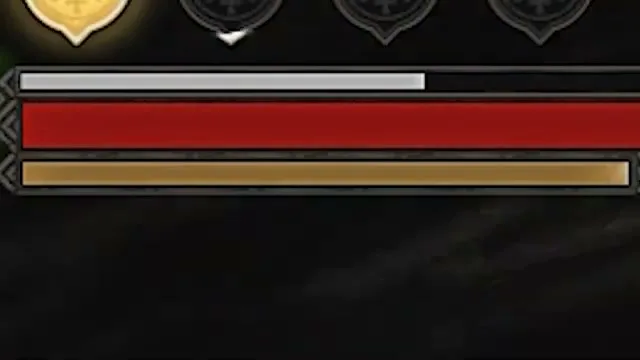
Timed parries / perfect blocks avoid the heavy stamina tax of holding a direction too early or too late. That is why mastery guides push time-block practice even when hold-block feels safer: the safety costs resource. Swordmastery perks can further reward ripostes after perfect blocks — see skills.
When stamina bottoms out, create space instead of mashing attack. Consumables on the hot bar can restore health or stamina mid-fight, but only if you are not locked in certain ability animations. Standing still regains stamina faster than sprinting in circles — use brief pauses between enemy strings when safe.
Activation charges accumulate as you deal damage. Spend them on witchcraft hex finishers, execution moves, and most Swordmastery / Vampirism abilities slotted on your hot bar. The bar refills through combat pacing — not passively while exploring — so fights are also resource farming.
| Spend type | Typical source | Notes |
|---|---|---|
| Hex finishers / witchcraft actives | Activation charges | Human day — scars required; see day/night page |
| Execution moves | Activation charges | High-impact spend after breaking guard or poise |
| Tree abilities (hot bar) | Activation charges | Can trigger mid basic-attack string |
| Weapon ability | Cooldown only — no Activation | Tied to equipped sword quality |
| Claw ability (night) | Cooldown only — no Activation | Tied to night hand armor / gear |
Dumping charges on the opening swing leaves nothing for an execution when the elite arrives. A common loop: defend → short safe combo → bank charges → ability or hex → reset. Perks can accelerate recharge — budget skill points if you ability-heavy.
Assign combat abilities to the hot bar, not the slower weapon wheel. Wheel access does not fully pause combat, so menuing mid-fight gets you hit. Keyboard and controller share the same slot count — plan fewer, reliable casts rather than carrying every unlock.
Ability animations grant damage immunity for their duration — a deliberate safety valve in a slow system. Chaining abilities back-to-back without letting the first animation finish can waste inputs; let weapon abilities complete before firing the next spend. Weapon abilities also uniquely allow swapping to consumables mid-animation — a high-skill heal window in tough fights.
Combat is not one moveset with a palette swap. Human days mean drawn sword, directional blocks, and hex support gated by daytime scars. Vampire nights mean claw strings, bite healing, and mobility tools that change how you enter fights — often from above or behind.
Short swords, long swords, great swords, and axes differ in swing speed, reach, and poise pressure — pick for enemy type, not fashion. Hexes add control, damage over time, and setup for executions when Activation is banked. You cannot rely on the same hex opener at night because scars heal — schedule magic before sunset on day and night.
Claw combat emphasizes fast slaps, leap-ins, and vampiric actives unlocked through Corruption on skills. Bites restore health from defeated foes — offensive sustain that encourages finishing kills rather than kiting forever. Stealth failures still start fights you could have skipped; claws win loud, not always clean.
Day and night armor sets modify defense and effect profiles. Entering a boss with human steel while wearing a night set — or vice versa — wastes segments. Fix loadouts at wayside shrines when the hourglass allows.
Higher-quality swords roll a weapon ability — a cooldown-based special tied to the equipped blade, not Activation charges. Night hand armor can grant parallel claw abilities. These are often the biggest power spike when you upgrade gear mid-campaign.
Weapon and claw abilities ignore Activation but respect cooldown timers. They also provide generous i-frames — use them to interrupt elite strings or safely drink from the consumable bar mid-animation (a technique unique to weapon abilities among combat skills).
Finding a sword with a strong weapon ability can matter more than unlocking another passive early. Compare blades on equipment before you sink segments into a side quest reward that does not beat your current special.
Much of the campaign pits Coen against human bandits, guards, and soldiers with repeating melee patterns — overhead, horizontal, and thrust lines. With indicators disabled, learn each weapon class silhouette instead of UI color.
| Tell | Likely attack line | Response |
|---|---|---|
| Weapon raised high | Overhead | Block high |
| Wide horizontal wind-up | Side line | Match left or right from camera facing |
| Point-forward lunge telegraph | Thrust / stab | Block low or sidestep — some stabs are marked unblockable |
| Shield bash wind-up | Guard break setup | Perfect block or create space |
| Feint (pull-back without release) | Delay mix-up | Do not spend stamina early — wait for commit |
Higher-difficulty human enemies introduce unblockable thrusts — blocking the wrong axis still fails. Recognize the longer lunge animation and answer with dodge or perfect parry windows instead of holding a generic high guard. Exact enemy lists stay TBA; the habit transfers across human factions.
Beasts and vampire elites add poise and phase shifts not covered by human sword feints. Use lock-on, learn one enemy type at a time, and bank Activation before long fights. Boss pages will attach when data firms up — until then treat each named elite as its own homework.
Combat losses cost real segments when you die far from a shrine, repeat failed quest fights, or burn night Hunger on a skirmish you could have stealth-skipped. Scan this table before hard encounters.
| Mistake | Fix |
|---|---|
| Fighting sheathed | Draw sword before aggro — see draw section above |
| Spamming one attack direction | Vary lines; unlock perks reward mix-ups after perfect blocks |
| Turtle blocking without parries | Learn time blocks to conserve stamina |
| Empty Activation on openers | Bank charges for abilities and executions |
| Using weapon wheel in combat | Bind actives to hot bar slots |
| Night fight while Blood Hungry | Feed before engagement — day and night |
| Wrong armor set for form | Swap day/night gear at shrines |
| Casting hexes after sunset | Finish scar-dependent magic in human day segments |
| Chasing combos after enemy counter-ready | Two-hit reset → defend |
Narrative sandbox quests sometimes reward stealth or dialogue over duels. Winning a loud fight that raises infamy can cost more segments politically than losing a few HP in a skipped battle. Read quest intent on quests before you draw.
Spend skill points on skills, upgrade gear on equipment, and align form timing on day and night. Story order stays on walkthrough.
Previews and reviews compare directional swordplay to Kingdom Come and Chivalry-style reads, with hex magic and vampire claws layered on top.
Dealing damage builds Activation charges you spend on hex magic, executions, and most slotted abilities. Weapon and claw abilities use cooldowns instead.
No — human sword/hex and vampire claw kits are separate. Plan loadouts and feeding per form.
Use the draw/combat stance control before entering fights while human. Coen explores sheathed; exact binding is under Settings → Controls on your platform.
Optional omni-block and omni-attack settings let the game pick directions. Directional indicators can be turned off for animation-based reads.
Perfect blocks / timed parries save stamina compared to hold-blocking. Some builds also feed spell or Activation pacing through defensive perks.
Skills for tree perks, equipment for weapon abilities, day and night for form rules.
September 3, 2026
Matched by build plan, shared topics, and guide progression — not random related links.